Desert Roadside Repair
Desert Roadside Truck Breakdowns Near Palm Springs, Indio & Coachella
Desert routes around Palm Springs, Palm Desert, Indio, Coachella, and nearby I-10 areas can be hard on commercial trucks and trailers, especially during hot weather and long hauls.
Desert heat, I-10 traffic, long idle time, heavy loads, and distance between shops can make truck and trailer issues worse quickly. Drivers and dispatchers should watch cooling systems, tires, batteries, air leaks, trailer lights, brakes, and load access concerns before a small delay becomes a bigger roadside problem.
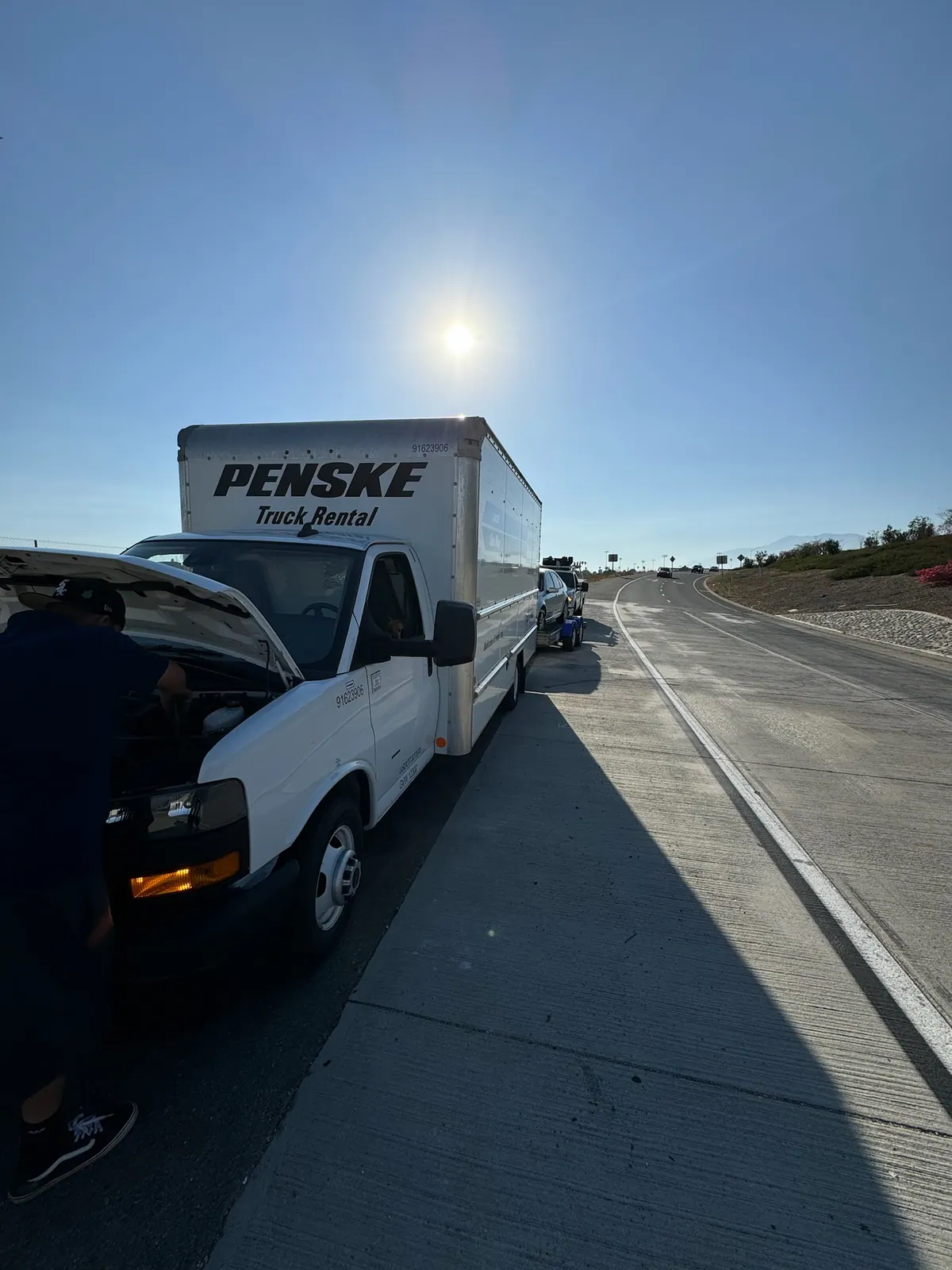
A breakdown in the Coachella Valley feels different from a yard repair close to town. Heat rises off the pavement, safe shoulder space can be limited, and a driver may be far from the nearest shop by the time a warning light, air leak, tire issue, or trailer problem shows up. The goal is not to panic. The goal is to recognize what matters, share clear information, and choose the safest next step.
Why Desert Breakdowns Can Happen Fast
Desert driving is tough on equipment because the truck is already working before something fails. High outside temperatures, long grades, long idle time, stop-and-go traffic, and heavy loads all add stress. A truck that seemed fine in the morning can start acting different after hours of heat, road vibration, and engine load.
Distance matters too. On I-10 routes near Palm Springs, Indio, Coachella, and the surrounding desert, drivers may not be close to a shop, parts counter, or safe repair location. That means small problems can create longer delays if the driver keeps moving without checking the warning signs. Pulling into the safest available location and calling early can help dispatchers and repair support understand what is happening before the situation gets worse.
Cooling System Problems Drivers Should Not Ignore
Cooling problems deserve attention fast in desert heat. A small coolant leak, loose clamp, cracked hose, low coolant level, or weak connection can become a bigger overheating concern when the truck is loaded or sitting in hot traffic. Warning signs can include a rising temperature gauge, coolant smell, steam, visible drips, low coolant warnings, or the fan running harder than normal.
Drivers should not remove a hot coolant cap or keep pushing a truck that is showing serious overheating signs. If the truck is in a safe place, note where the leak appears to be coming from, whether coolant is visible under the unit, and whether the warning came on gradually or suddenly. Mobile diesel troubleshooting and diagnosis can help identify visible cooling concerns and hands-on mechanical issues, but repair options depend on access, safety, the condition of the parts, and whether the issue is safe to repair roadside.
Tire, Battery, and Air Leak Issues in Hot Weather
Heat can expose weak points that were already developing. Tire pressure can change, rubber runs hotter, and damaged tires can become more dangerous on long desert stretches. If a driver notices vibration, a tire running hot, low pressure, tread separation, sidewall damage, or repeated air loss, the safest move is to slow down, find a safe stop, and get the issue checked before it turns into a roadside hazard.
Batteries also take a beating in extreme temperatures. A weak battery, loose connection, charging concern, or long idle period can show up as a slow crank or no-start situation. Air leaks are another common delay, especially when fittings, lines, gladhand seals, or other connections are worn. Drivers should listen for leaks, watch air pressure recovery, and share whether the leak seems to be on the tractor, trailer, or connection area.
Trailer Problems That Can Delay a Load
Trailer issues often show up at the worst time: during pickup, after loading, at a receiver, or on the side of the road. Lights that flicker, marker lights that fail, brake lights that do not respond, damaged wiring, air line problems, brake concerns, door trouble, and landing gear issues can all stop a load from moving safely.
The best first step is to separate what the driver can safely observe from what needs repair support. Are the lights out on one side or the whole trailer? Does the issue change when the cord moves? Is there an air leak at the connection, under the trailer, or near a valve? Is a door bent, stuck, or failing to latch? FreightFix provides trailer repair support for many road-ready concerns, but some trailer problems may still require a shop, tow, or different repair path depending on safety and damage.
What Dispatchers Should Send Before a Roadside Call
Good dispatch information can save time. Before calling for roadside help, gather the exact location, closest mile marker or cross street, direction of travel, truck or trailer number, unit type, and the main issue the driver is seeing. If it is safe, photos of the tire, leak, warning area, trailer light, air line, or damaged part can help the repair team understand what may be needed.
Dispatchers should also share the driver contact number, urgency level, whether the unit is loaded or empty, whether the truck is in a safe place, and whether the driver can build air, start the truck, or move at all. For fleets and commercial accounts, keeping this information ready can help fleet maintenance and emergency response decisions happen faster.
When Mobile Repair May Help Avoid a Tow
Mobile repair can help with many roadside and yard issues because the repair support comes to the truck or trailer instead of immediately moving the unit to a shop. That can matter when the truck is loaded, a trailer is stuck at a dock, or a driver is waiting on a shoulder or freight yard. Common calls can include air leaks, electrical issues, cooling concerns, brake problems, tire service needs, battery jump starts, and trailer road-ready concerns.
Mobile repair is not the right answer for every problem. Some jobs need a shop, lift, heavy equipment, major parts, or towing for safety. A good roadside call should help determine what is reasonable to attempt on-site and what next step protects the driver, load, equipment, and public road. FreightFix offers roadside truck repair support with that practical approach.
FreightFix Supports Desert-Area Roadside Calls
FreightFix supports drivers, dispatchers, owner-operators, fleets, yards, and commercial accounts across Redlands, Calimesa, Riverside County, the Inland Empire, and nearby Southern California routes. For desert-area calls, we also support service requests around Palm Springs, Palm Desert, Indio, Coachella, and Coachella Valley routes when availability allows.
If your truck or trailer is down near the desert, call with your location, unit type, issue details, tire size if relevant, and photos when safe. You can also review the Riverside County service-area page for more regional coverage information.